
New Britain Seven-Day Arrest Blotter
The official New Britain Police Blotter offers the best multi-day view. It links a Press Arrest Log for a named seven-day span. One edition covered August 24 through August 30, 2026. Older indexed examples ran after their week ended. So it is a retrospective city report. Not a live Hartford County feed. Start at the live page. The PDF address changes when a new edition replaces the old one, and the period printed inside the report controls, not the filename or an upload date.
Read Hartford County Arrest Blotters
Work backward from the agency and its report window. That habit keeps a Hartford daily item, a New Britain weekly entry, and a West Hartford release from being treated as equals.
- Identify which police agency likely made the arrest.
- Open its official publication, starting with New Britain's blotter for a multi-day search.
- Read the covered range and later run date or time.
- Use the arrested timestamp inside the entry and match the incident number.
- Check 24 Hour Arrests for Hartford's current source. Use the county hub for custody or record requests.
A log can stay online after a release. A person may never enter DOC custody, while a later DOC result can reflect a transfer after the police report.
New Britain Arrest Entry Fields
The weekly New Britain log lists detailed fields for each arrest entry. The PDF carries no booking photos.
| Field | Use and limit |
|---|---|
| Name and address | Agency-entered identity and last-known address, which may be stale. |
| Arrest date and time | Places the event within the seven-day span. |
| Location | Event site, not a current custody location. |
| Court date | A scheduled appearance, not a disposition. |
| Descriptors | Race, sex, and age as entered. |
| Officer and incident number | Identifiers useful for a records request. |
| Charge and count | Charges subject to change or dismissal. |
| Bond | A recorded release term. |
Cite the incident number when asking the Records Bureau for a fuller report or a correction. Old bond data never proves current custody.
Weekend Arrests in Weekly Reports
A seven-day window covers weekends by design. The report itself may appear days after the period closes. Trust the arrest timestamp, not the posting date. Holidays, redaction, and workflow can widen the gap. Hartford's daily report runs on a different clock, often generated near 6 a.m. West Hartford keeps a date-searchable press-release archive, though it is no complete blotter. Selected announcements cannot fill gaps in the New Britain log. When a weekend arrest is missing, check the next edition and call the right records office. No county sheriff keeps a shared schedule.
Hartford Arrest Log Archives
The weekly PDF appears to get replaced. The department points to no permanent archive. Copies in search results are secondary leads. Check them against police records. Connecticut's Municipal General Schedules list series M7 for public-safety material, which includes arrest and booking sheets inside case-investigation files. Retention depends on the series and its legal status, so a missing web file does not mean the agency destroyed the record. The Connecticut State Archives handles historical state material, not current city blotters, and its official index source shows that boundary.
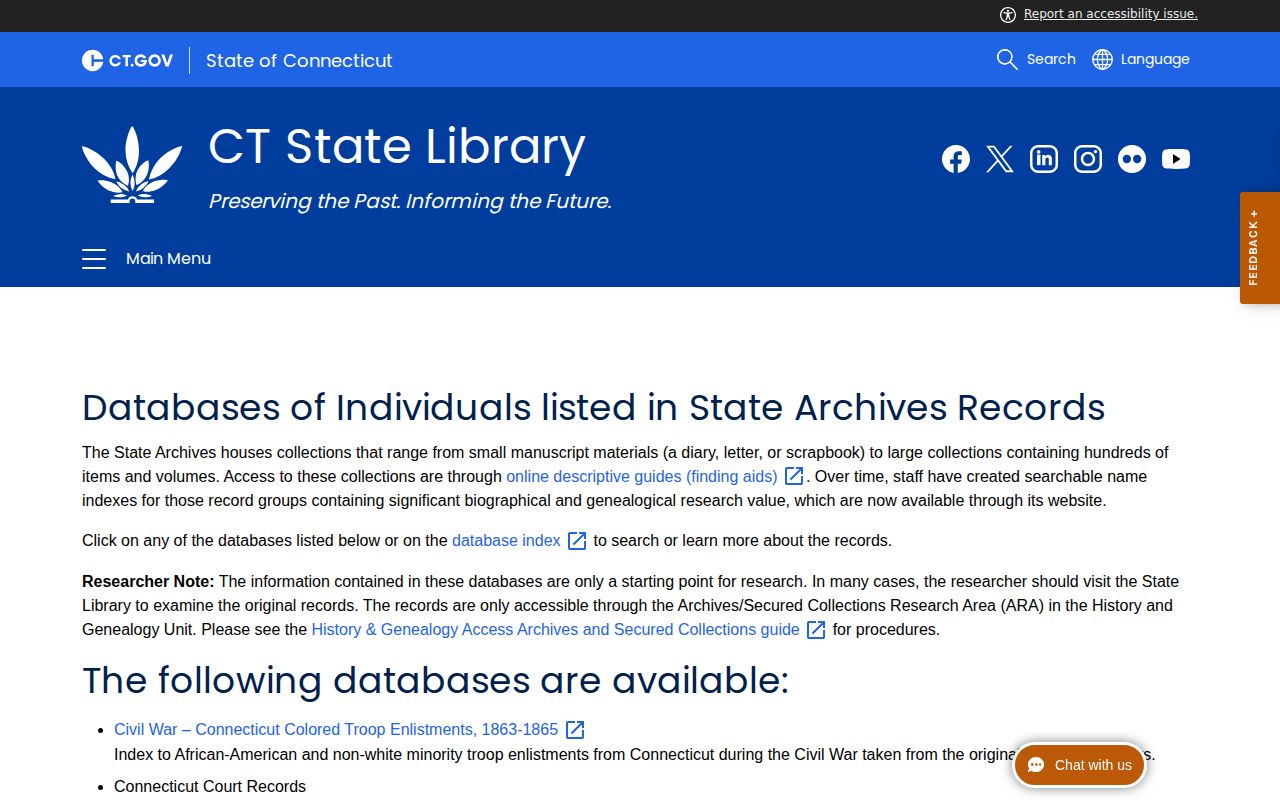
It indexes old Hartford courts and Wethersfield prison, not arrests.
Why New Britain Publishes Weekly
The online log followed a 2023 freedom-of-information controversy, local reporting says. The New Britain Progressive report traces that publication history. It is not the current arrest log. The official police file must lead, since easier access promises no archive, no complete coverage, and no photos.
Crime Data Is Not an Arrest Log
Hartford Police also publishes CompStat and crime-statistics reports. Trend data and named arrest records answer different questions. Mixing them produces false totals. Local outlets such as NBC Connecticut, WFSB Crime, and CT Insider may add context after the official sources. Their coverage is selective, sometimes delayed or paywalled, and never a full booking feed. An arrest count is not a crime rate. Ask the court clerk about disposition questions.
Request Older Hartford Arrest Records
When a week drops off the web, put your request in writing. Name the arresting department and the exact dates. Include a person or incident number if you have one. Say plainly which item you want. That might be an arrest sheet, an incident report, a booking sheet, or some other record. Those terms sound alike, but they are not the same thing. Tell the custodian whether you want to inspect the record or receive a copy. Ask that redaction or withholding be explained in writing.
Connecticut law spells out what counts as a public record of arrest. It covers core facts. These include name, race, address, the time and place of the arrest, and the offense charged. Still, limits apply. Juvenile records, erased matters, sealed details, and protected investigative files stay closed. That holds no matter what an old Hartford County log once showed. A custodian may also have corrected the source after an indexed PDF was copied elsewhere.
Publication is not preservation. Save the official URL, the covered dates, and the report run time. Include the agency name and your request correspondence. Ask the police about the arrest record itself. Ask the court clerk about the case outcome. Keeping those two routes separate keeps you from mistaking an old arrest for current status.
Unofficial Hartford Arrest Indexes
Aggregator sites that label themselves by county can lag behind the government feeds they imitate. Treat them as a second tier behind official Hartford sources. Ownership is murky. Refresh timing, corrections, and booking photo availability all go undocumented. These local index pages lack any free opt-out path. An entry there can also outlive a sealing, erasure, or correction at the custodian. Never lift person-level material from an unofficial index. Treat it as a lead only, then confirm with police and court records.
Compare Hartford County Log Windows
Hartford's daily arrest file and New Britain's seven-day report answer different questions. New Britain groups a completed span, often with a later run timestamp. That suits weekend or multi-day review. Reading only the filename can mask the posting lag. Hartford's current report fits its own city and a shorter window. West Hartford's archive adds selected narratives, not a full roster. Keeping those boundaries straight preserves the record.
New Britain's fields also differ from a custody locator. An incident number ties the entry to a police case. Arresting officer and location describe the reported event. A court date points forward; bond records a condition at that stage. None shows the person is still confined. For present custody status, check DOC. Allow for release, timing gaps, exclusions, or later changes.
Older searches should start with the municipal Records Bureau. Give a narrow date span and the incident number. Ask about supplements, corrections, or a final version. Sealed or erased material may be unavailable even when an old search result lingers online. If only part is withheld, ask the custodian to release the rest. The custodian should explain the limit.
News coverage adds court context, but editors follow public interest, not a roster schedule. A story may skip routine arrests, blend agencies, or run days late. Its date is the story date. It is never the arrest date. Go back to the police or court source for the fact itself. Never count headlines as blotter entries.
When a log entry and a later court record disagree, keep both dates. Describe the change. The arrest belongs to the earlier police record. The plea, dismissal, nolle, acquittal, diversion, or conviction belongs to the court history. That way the old log stays intact. The more current status stands alongside it.
For a certified or complete copy, say so in the request. Screenshots, cached PDFs, and news quotations document publication, not authority. They may miss later pages or corrections. They carry no agency certification. The records custodian identifies the official version and any lawful access limits.
Search Public Records
Sponsored Results